
Don’t Wait for a Cyber Attack — Preparation Is Your Best Defence
Don’t Wait for a Cyber Attack — Preparation Is Your Best Defence
Cyber attacks have become a constant part of doing business, regardless of size or industry. Yet many organisations still react only once something has gone wrong — when systems have gone offline, customer data has been exposed or staff are locked out. By that stage, the impact is already significant, and recovery can take far longer than expected.
A proactive approach is the best way to reduce the likelihood of an incident and minimise disruption when something does happen. Preparing early gives your business the resilience it needs to stay secure, maintain customer trust and avoid unnecessary downtime.
Start with Strong Access Controls
Many cyber incidents stem from something simple: a weak password, an overprivileged account or an old login that should have been removed. Strengthening access controls creates a strong foundation without adding unnecessary complexity.
Some effective measures include:
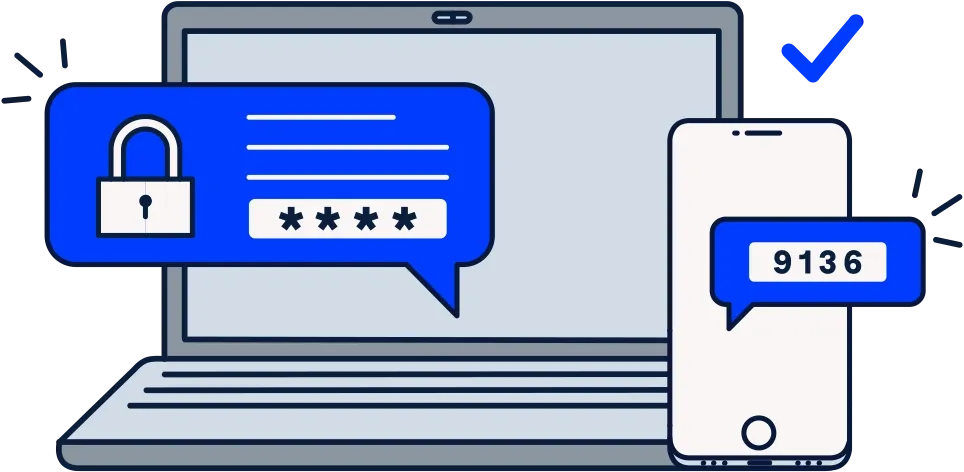
- Enabling multi-factor authentication (MFA)
- Applying least-privilege access across user accounts
- Removing old or unused accounts
- Adding extra protection for administrator access
These small steps significantly reduce the chances of an attacker gaining a foothold in your systems.
Keeping Systems Updated Matters
Cyber attackers often exploit vulnerabilities that already have fixes available. When software updates are delayed, businesses unintentionally create opportunities for attackers to take advantage.
Treating updates as a routine operational task helps ensure:
- Known vulnerabilities are patched quickly
- Third-party tools stay secure
- Older systems don’t become long-term risks
It’s a simple habit that closes many of the most common attack paths.
Your Team Plays a Crucial Role
Technology alone can’t stop every threat. Employees remain a key line of defence, especially when it comes to phishing and social engineering. Educating staff on what suspicious activity looks like can prevent an attacker from moving further into your environment.
Training helps people recognise:
- Unusual requests for sensitive information
- Unexpected attachments or links
- Fake login prompts or password-reset emails
When employees feel confident reporting concerns, threats are often stopped before they escalate.
Detecting Issues Early Makes All the Difference
Even with preventative measures in place, visibility is essential. Modern security tools help organisations detect unusual behaviour quickly, reducing the impact of potential breaches.
Real-time monitoring and automated alerts provide a clearer picture of what’s happening across your systems. When something looks out of place, you can respond swiftly — often before the issue becomes a serious incident.
Having a Plan Brings Stability
No defence is perfect, which is why having an incident response plan is vital. It gives your team clear guidance on how to act during a security event and removes confusion when quick decisions matter most.
A good plan outlines roles, communication channels and the steps needed to contain and recover from an incident. Testing it periodically ensures everyone knows what to do.
Proactive Security Always Wins
Businesses that prepare early experience fewer disruptions, recover faster and maintain stronger customer trust. Taking a proactive approach doesn’t just help prevent attacks — it strengthens your organisation’s overall resilience.