
The Biggest Cybersecurity Risk Most Businesses Don’t See Coming: Silent Exposure
The Hidden IT Risks Putting Your Business at Risk
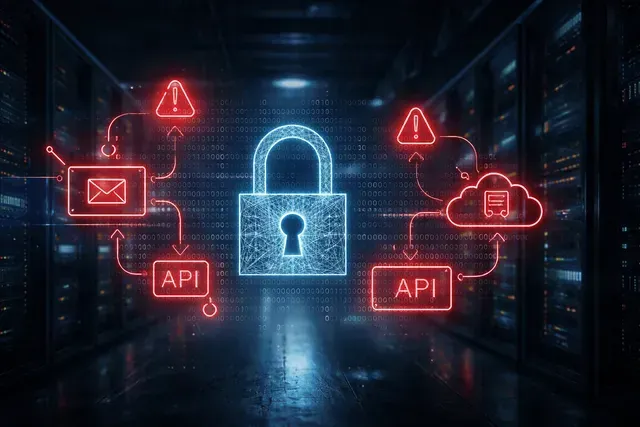
Many businesses believe cybersecurity incidents happen suddenly; a ransomware screen appears, systems stop working and panic begins. But in reality, most cyber incidents don’t start with a dramatic event. They begin quietly, often weeks or months earlier, with small vulnerabilities that go unnoticed.
This is known as silent exposure, gaps in your IT environment that attackers identify and exploit long before anyone realises there’s a problem.
These exposures are rarely caused by sophisticated hacking. More often, they come from everyday oversights such as:
- Devices missing critical security updates
- Former employees retaining account access
- Weak or reused passwords across systems
- Lack of monitoring on key infrastructure
Individually, these may seem minor. But together, they create an environment where attackers can enter undetected and move freely.
Why Silent Exposure Is So Dangerous
The real risk isn’t just the initial access, it’s the time attackers remain undetected. This is known as dwell time. The longer someone has access to your systems, the more damage they can do.
During this period, attackers may:
- Identify sensitive data such as financial records or client information
- Map your systems and identify critical servers
- Create additional access points to maintain persistence
- Wait for the right moment to launch a larger attack
Because nothing appears “broken,” businesses continue operating normally, unaware of the growing risk behind the scenes.
The False Sense of Security
Many organisations assume they are secure because they have basic protections in place. Antivirus software, firewalls, and backups are essential, but they are no longer enough on their own.
Cybersecurity today is less about having individual tools and more about having visibility. Without visibility, threats can exist without triggering alerts.
For example, a business may have:
- Antivirus installed, but no monitoring of unusual login behaviour
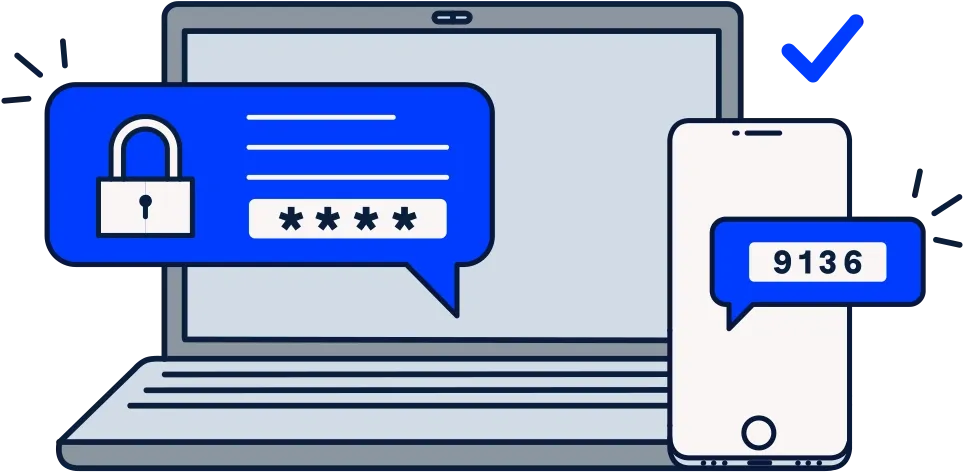
- Strong passwords, but no multi-factor authentication
- Backups in place, but no protection against unauthorised access
Security controls must work together, not in isolation.
How Businesses Can Reduce Silent Exposure
Reducing risk doesn’t require drastic changes. It starts with improving awareness and closing common gaps.
Key steps include ensuring systems are consistently updated, reviewing user access regularly, and implementing monitoring that can detect unusual activity early. Just as importantly, businesses should adopt a proactive approach rather than waiting for visible problems to appear.
A strong security posture focuses on prevention, detection and response: not just recovery.
Cybersecurity Is About Reducing Opportunity
Attackers don’t always target specific businesses. More often, they look for easy opportunities. If your systems are visible, unmonitored, or outdated, they become a low-effort target.
The goal of cybersecurity isn’t to make attacks impossible, it’s to make your business a harder target than others.
When proper controls, monitoring and access management are in place, attackers are far more likely to move on.
Final Thoughts
The most dangerous threats are often the ones you don’t see. Silent exposure allows attackers to operate without disruption, increasing both the likelihood and impact of an incident.
Businesses that take a proactive approach by improving visibility, tightening access and monitoring their environment significantly reduce their risk.
Cybersecurity is no longer just about reacting to incidents. It’s about identifying and eliminating the silent risks before they become real problems.