
Why Email Security Matters More Than Ever for High-Risk Industries
Why Email Security Is Critical for High-Risk Industries
Email remains the most common entry point for cyberattacks. While businesses invest heavily in firewalls, antivirus software and cloud security, many still overlook the risks sitting inside their inboxes every single day.
For industries handling sensitive data, financial transactions, or critical infrastructure, poor email security can lead to operational disruption, reputational damage and major financial loss.
Why Attackers Target Email
Cybercriminals know email is one of the easiest ways into a business. Employees are busy, communication is fast-paced and attackers have become highly convincing.
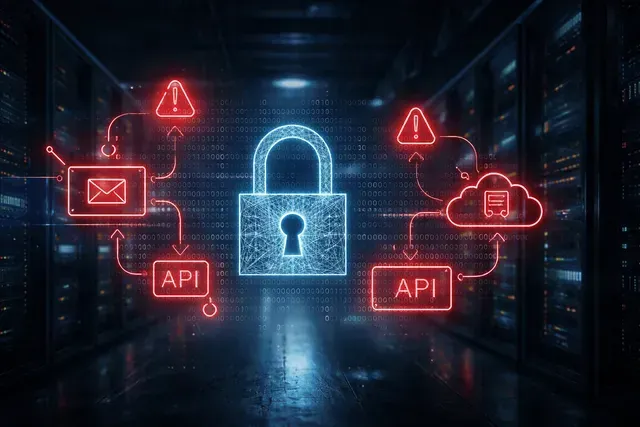
Modern email threats include:
- Phishing attacks impersonating trusted contacts
- Business Email Compromise (BEC)
- Malware delivered through attachments or links
- Credential harvesting attacks
- Invoice and payment fraud
- Account takeover attempts
One successful click can expose entire systems, customer data or financial accounts.
Industries Most at Risk
Healthcare
Healthcare organisations store highly sensitive patient information, making them a prime target for attackers.
A compromised email account can expose:
- Medical records
- Patient communications
- Billing information
- Internal systems access
Healthcare environments rely on speed and constant communication; phishing emails can easily slip through unnoticed.
Financial Services
Banks, accountants and finance teams are constantly targeted by attackers looking to intercept payments or steal credentials.
Common attacks include:
- Fake invoice requests
- CEO impersonation emails
- Payment redirection scams
- Credential theft
A single successful email attack can result in significant financial losses and compliance issues.
Legal Firms
Law firms handle confidential contracts, mergers, client records and sensitive negotiations.
Attackers target legal professionals because:
- Email conversations often contain valuable information
- Clients expect document sharing and attachments
- Time-sensitive communication creates pressure to act quickly
Without strong email security controls, confidential client information can quickly become exposed.
Manufacturing & Supply Chain
Manufacturers are increasingly targeted due to their reliance on suppliers, logistics partners and operational continuity.
Attackers often exploit:
- Supplier invoice processes
- Procurement teams
- Shared documents
- Operational downtime risks
An email breach in manufacturing can disrupt entire supply chains and production schedules.
Managed IT & Cybersecurity Providers
IT providers themselves are major targets because they often hold access to multiple client environments.
If attackers compromise one provider’s email systems, they may gain:
- Access to client credentials
- Internal support systems
- Sensitive technical documentation
- Trusted communication channels
For service providers, strong email security is essential not just internally but for protecting customer trust.
What Effective Email Security Looks Like
Modern email security goes beyond spam filtering. Businesses should combine technology, processes and user awareness, including:
- Advanced phishing and malware protection
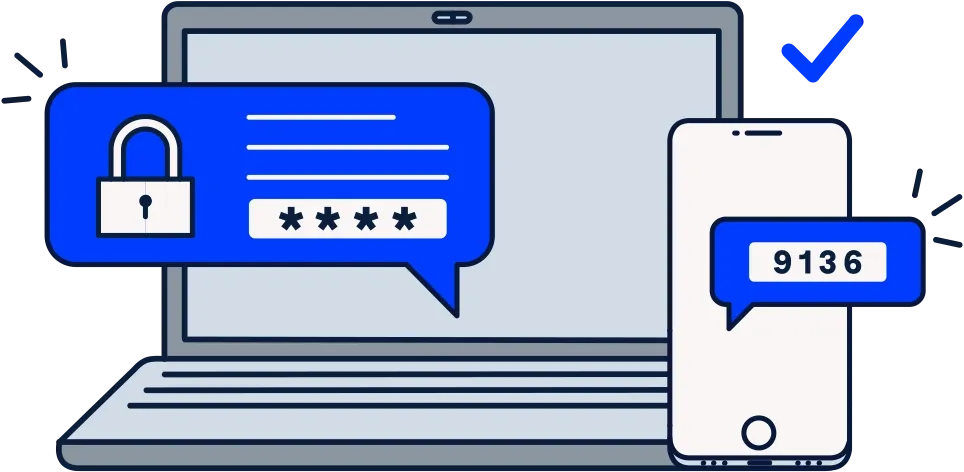
- Multi-factor authentication (MFA)
- Email authentication protocols like SPF, DKIM, and DMARC
- Security awareness training
- Attachment and link sandboxing
- Conditional access policies
- Monitoring for suspicious login behaviour
Human risk management also plays a critical role. Employees remain one of the biggest targets, meaning ongoing education is just as important as technical controls.
Final Thoughts
Cybercriminals continue to evolve their tactics, and email remains one of the most effective attack methods available to them.
For industries handling sensitive information, financial transactions or critical operations, email security is no longer optional. It is a fundamental layer of business protection.
The organisations reducing risk most effectively today are the ones treating email security as a business-critical priority, not just an IT concern.